
Common repairs, $150–$600
Elements, thermostats, thermocouples, relief valves: the parts that actually fail, fixed in a single visit. Most no-hot-water calls land here.
Most dead hot water systems are one failed part, not a funeral. We diagnose before we quote, carry the common parts on the van, and get Mosman households back under a hot shower the same day, keeping the new-system conversation for tanks that have genuinely earned it.
Most of the no-hot-water calls we take in Mosman end in a repair, not a skip bin. Electric systems lose elements and thermostats; gas systems lose thermocouples and pilot assemblies; continuous-flow units throw error codes that mean a sensor or a flow problem, not a dead unit. Those are parts, they are stocked on the van, and the fix is measured in hours.
The industry default is the opposite, quote a shiny new system to anyone whose water went cold, because a replacement is worth ten times a thermostat. We diagnose first. A five-year-old tank with a failed element deserves an element. What it does not deserve is a $2,000 replacement because someone could not be bothered testing a $40 part.

Salt-laden harbour air corrodes older metal fittings and joints, weakening pipes and causing leaks and recurring blockages.
A hot water unit mounted outside near the water lives a harder life than the same unit inland. Salt attacks the casing, the fittings and the relief valve, and a tank that might have run fifteen years elsewhere often does not here.
It is worth knowing before you buy the next one. Stainless or a properly protected enclosure costs more up front and is usually the cheaper decision over two replacements.
Properties near the water are more likely to sit unused for stretches, and a hot water system does not enjoy that. Stagnant water accelerates anode consumption, and a unit that has sat for months frequently fails within days of being brought back into use.
Water heating is the second largest segment of household energy use, between 15% and 30% (energy.gov.au), so the unit fitted today stays on the bill for years. We quote the repair and the replacement together rather than defaulting to a like-for-like swap.
If a property is left for a season, isolating and draining the unit is worth the twenty minutes. Bringing it back slowly, with the tank refilled before power or gas is restored, avoids the most common restart failure.
Grand Federation and Victorian homes still run original earthenware drains that crack and sag with age, snagging waste and backing up.
A period home has almost never got its original hot water arrangement. What it has is whatever was fitted at the last renovation, connected into pipework of a completely different era, and that junction is frequently where problems start.
Galvanised pipe feeding a modern unit will keep delivering rust and restricting flow regardless of how new the heater is. Replacing the unit without addressing the feed solves less than people expect.
The temperature and pressure relief valve is the safety device on a storage tank, and it is the part that corrosion reaches first in a coastal setting.
Age, the cost of the part and whether the cylinder itself is sound decide repair versus replacement. A failed element, thermostat or relief valve is a repair. A tank that has corroded through is not, and no part saves it.
A relief valve that weeps constantly is not merely wasting water, it is a valve on its way to not working when it is needed. It is a small, cheap part, and it should be eased and checked every year rather than left until it seizes.
Weak hot water in an older home is often diagnosed as a failing unit when the actual cause is the pipe leading to it, decades of internal corrosion narrowing the bore.
The test is simple: if the cold is strong and the hot is weak, the fault is on the hot side, and if the hot has declined gradually over years rather than suddenly, it is far more likely to be pipe than heater. Worth establishing before buying a new system.
Two different faults look identical from the shower. Either the system has stopped heating, or it is heating and the hot is not reaching you.
Check another tap, ideally at the opposite end of the house. Hot everywhere else means a tap or mixer fault, not a heater fault. Nothing hot anywhere points at the unit, its power or gas supply, or the pipe leaving it: and that is worth knowing before anyone quotes on a replacement.
Elements, thermostats, thermocouples, relief valves: the parts that actually fail, fixed in a single visit. Most no-hot-water calls land here.
Gas valves, control boards on continuous-flow units, and bigger jobs on systems still worth the spend.
Like-for-like replacement when the tank is done. Gas storage runs $1,200–$2,200 installed.
Endless hot water, no tank to rust, and it frees the space the cylinder occupied.
After rebates. Costs the least to run of the lot, worth the numbers conversation on any replacement, not just the green one.
Repair and replacement prices arrive together when the tank is marginal, you decide with both in hand. Figures here are indicative of the 2026 Sydney market rather than a quote from us, you get your own number as a fixed price before any work starts.

System type, rough age, what it is (not) doing: enough to load the likely part before the van leaves, which is what makes same-day real.
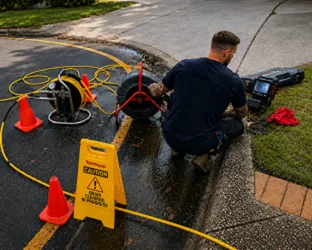
Elements metered, gas sequences traced, codes decoded. Diagnosis is a measurement, not a sales opportunity.
A live part gets fitted then and there. A dying tank gets you both prices, the reasoning, and zero pressure.
Repairs run same-visit; standard replacements called in early usually shower hot the same evening, installed to spec, old unit gone.
Early calls usually shower hot the same night. Tell us the system on the phone and the likely part rides out on the van.
Diagnosis first, honest numbers second, hot water third: usually all on the same day.

Leave your details and our local Mosman team will call you back fast.